Module 1 of 9

Introduction to
OSHA

Learn the foundations of workplace safety: your rights, employer responsibilities, and how OSHA protects workers across America.

📚 8 Content Slides
3 Quiz Questions
~15 min
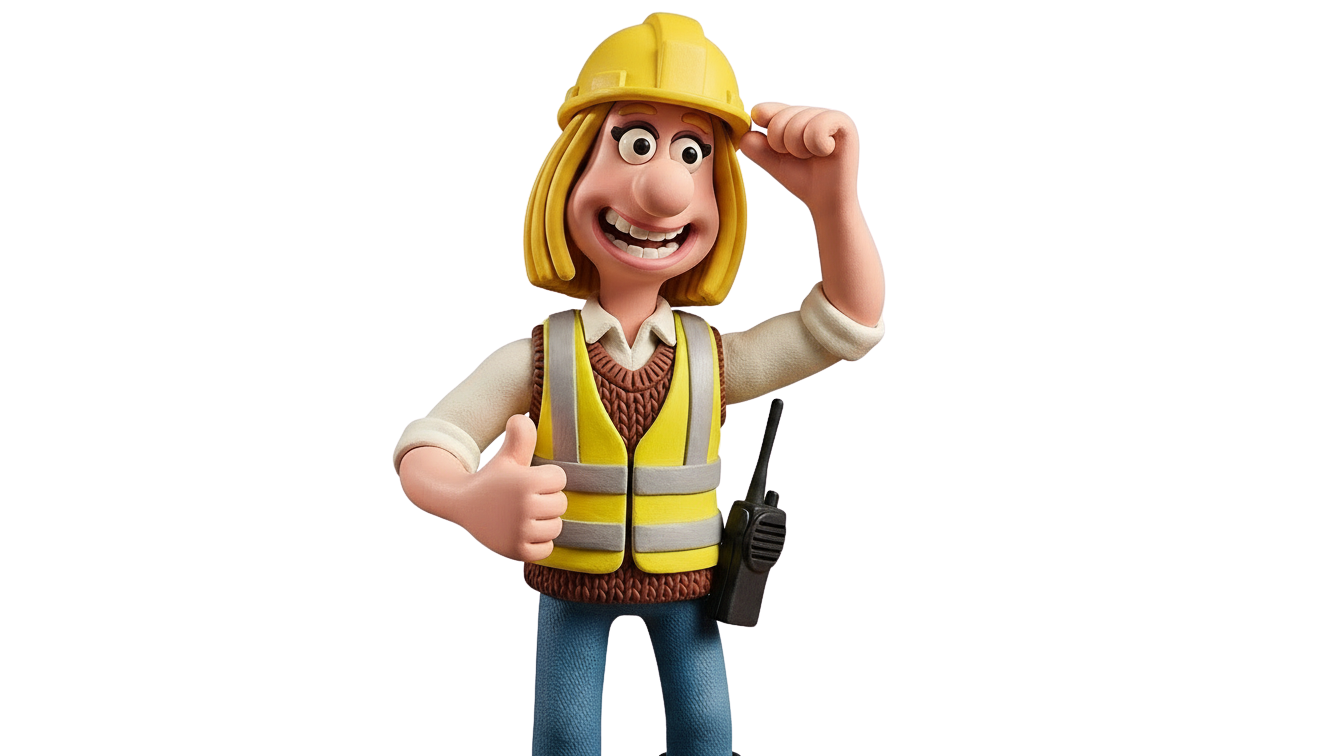
Katie

🎥 OSHA Basics: Your Rights at Work

Watch this overview before diving into the lesson content

Video Coming Soon

An introductory OSHA video is being prepared

Slide 1 of 8

What is OSHA?

OSHA stands for the Occupational Safety and Health Administration — the federal agency responsible for keeping American workers safe on the job.

  • Created in 1970 by the U.S. Congress
  • Mission: Ensure safe and healthful working conditions
  • Covers most private sector workers nationwide
  • Sets and enforces workplace safety standards
📈 Workplace deaths reduced by 60% since 1970
Katie
Katie's Tip
"OSHA isn't just rules and regulations — it's the reason millions of workers make it home safe every single day!"
Slide 2 of 8

Your Worker Rights

Under OSHA, every worker has fundamental rights to a safe workplace. You have the right to:

  • A safe workplace free from recognized hazards
  • Training in a language you understand
  • File complaints without retaliation
  • Access injury and illness records
  • Speak with OSHA inspectors during workplace inspections
Katie
Katie's Tip
"Remember: Know your rights! Your employer cannot punish you for speaking up about safety."
Slide 3 of 8

Employer Responsibilities

OSHA places clear legal obligations on every employer. They must:

  • Provide a workplace free from serious recognized hazards
  • Comply with all OSHA standards, rules, and regulations
  • Provide proper safety training in a language workers understand
  • Supply required PPE at no cost to workers
  • Keep accurate records of work-related injuries and illnesses
  • Post OSHA citations and injury/illness summaries where workers can see them
  • Never retaliate against workers who exercise their rights
Key Point: Personal Protective Equipment (PPE) must always be provided at no cost to you. If your employer charges you for required safety gear, that's a violation.
Slide 4 of 8

OSHA Inspections

🚨 Why Inspections Happen

  • Imminent danger situations
  • 🚨Catastrophes (fatalities or hospitalizations)
  • 📝Worker complaints about hazards
  • 📅Planned inspections in high-hazard industries

🔎 What Happens During an Inspection

  1. Inspector arrives unannounced
  2. Conducts walkaround of workplace
  3. Interviews employees (privately if requested)
  4. Issues citations if violations are found
Katie
Katie's Tip
"Don't worry — OSHA inspections make workplaces safer for everyone!"
Slide 5 of 8

How to File a Complaint

If you see a safety violation, here's how to report it:

📞
Call OSHA
1-800-321-OSHA (6742)
💻
File Online
OSHA.gov
🏢
In Person
Local OSHA Office

Your complaint can be:

  • Anonymous — you don't have to give your name
  • Confidential — your name is protected if you share it
Include in your complaint: Company name, location, hazard description, and number of employees exposed. The more detail, the faster OSHA can respond.
Slide 6 of 8

Whistleblower Protection

You are legally protected from retaliation when you:

  • Report safety concerns to your employer or OSHA
  • File safety complaints
  • Participate in OSHA inspections
  • Exercise any of your safety rights

Retaliation is illegal. This includes:

  • Firing or termination
  • Demotion or pay cuts
  • Harassment or threats
  • Reducing hours or shifts
  • Reassignment to less desirable positions
⚠ Important Deadline: You have 30 days to file a whistleblower retaliation complaint with OSHA. Don't wait — act quickly if you experience any form of retaliation.
Katie
Katie's Tip
"Speaking up for safety is your RIGHT — you cannot be punished for it!"
Slide 7 of 8

The General Duty Clause

Even when there's no specific OSHA standard for a particular hazard, employers are still required to keep you safe.

"Employers must provide a workplace free from 'recognized hazards' that are likely to cause death or serious physical harm to employees."
— OSHA General Duty Clause, Section 5(a)(1)

What does this mean in practice?

If a hazard is dangerous and the employer knows about it (or should know about it), they have a legal duty to fix it — even without a specific rule covering that exact situation.

Katie
Katie's Tip
"Think of the General Duty Clause as a safety net — it catches hazards that fall through the cracks of specific standards!"
Slide 8 of 8

Katie's Key Takeaways

Katie

Great job making it through the lesson! Here are the key things to remember:

💡 OSHA exists to protect YOU — know your rights!
💡 If you see something unsafe, speak up — you're protected from retaliation
💡 A safe workplace is everyone's responsibility
📞 Remember: 1-800-321-OSHA (6742)
🎓 Great work! Now let's test your knowledge with a quick quiz.

❓ Knowledge Check

Question 1 of 3
What is OSHA's primary mission?

❓ Knowledge Check

Question 2 of 3
Your employer can fire you for reporting a safety violation to OSHA.

❓ Knowledge Check

Question 3 of 3
What is the phone number to contact OSHA?

📊 Quiz Results

Katie